
By: Andrew Arcangel | Last Updated: August 8, 2026
Ulam · Celebration TableKare-Kare
Oxtail simmered until fall-apart tender, then folded into a thick, nutty peanut sauce with vegetables. Serve it with a spoonful of sautéed shrimp paste on the side — that's non-negotiable.
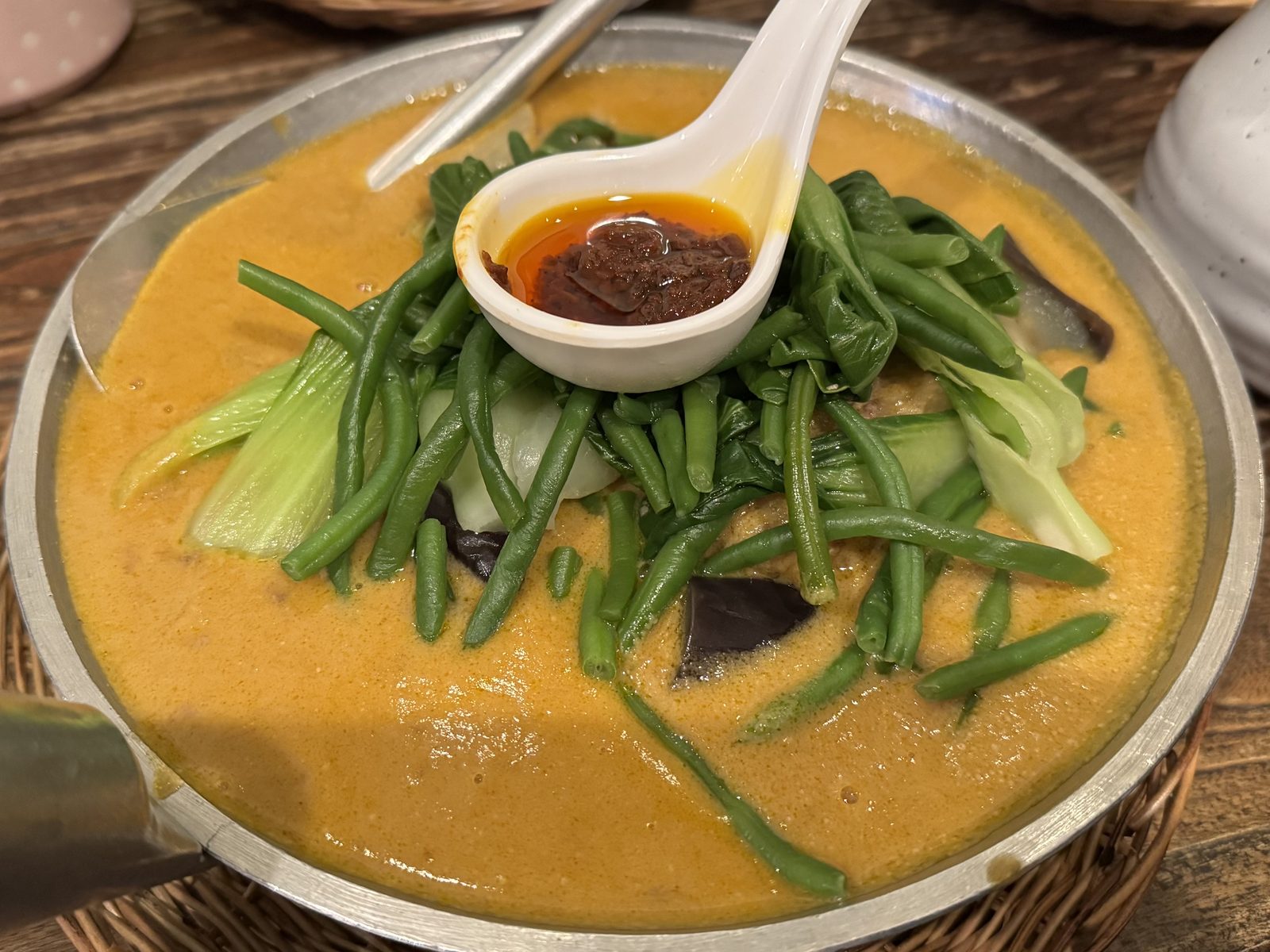
Kare-kare is a stew built backward from most people's expectations: the sauce isn't there to season the meat, it's the whole point. Ground peanuts (or peanut butter, the common shortcut) thickened with toasted rice flour and colored deep orange-red with annatto make a sauce that's rich, faintly sweet, and completely unlike anything else on a Filipino table. Oxtail is the traditional cut — it turns gelatinous and tender after a long simmer — though tripe, pork hock, or even just vegetables show up in home versions.
Why the bagoong matters
Kare-kare's peanut sauce is deliberately mild and a little sweet, which is exactly why it's always served with sautéed bagoong (fermented shrimp paste) on the side. A small spoonful stirred into each bite adds the salty, funky punch the sauce doesn't have on its own — skipping it means missing half the dish.
Ingredients
- 3 lbs oxtail, cut into segments
- 10 cups water, divided
- 1 onion, chopped
- 6 cloves garlic, minced
- 1/2 cup peanut butter (or 3/4 cup ground toasted peanuts)
- 1/3 cup rice flour or toasted ground rice
- 1 tbsp annatto (achuete) powder or 2 tbsp annatto oil
- 1 banana blossom (puso ng saging), sliced, or 1 eggplant
- 1 bundle string beans (sitaw), cut into 2-inch pieces
- 1 small bok choy or pechay, halved
- 2 tbsp cooking oil
- Salt and pepper, to taste
- Sautéed bagoong (shrimp paste), for serving
*Check your peanut butter and bagoong brands if cooking gluten-free — some are processed on shared lines or contain fillers.
Nutrition estimated per serving
- 480Calories
- 30gProtein
- 32gFat
- 18gCarbs
- 4gSugar
Estimated automatically from the ingredients above; actual values will vary based on brands and exact quantities used.
Instructions
- Simmer the oxtail. Bring oxtail and water to a boil in a large pot, skimming off foam. Reduce to a simmer, cover, and cook until very tender, about 2 to 2.5 hours. Remove oxtail and reserve the broth.
- Build the base. In a separate pot, sauté onion and garlic in oil until fragrant and softened. Stir in annatto powder (or annatto oil) until the oil turns deep red-orange.
- Add the broth. Pour in about 6 cups of the reserved oxtail broth and bring to a simmer.
- Thicken with peanut. Whisk peanut butter into the broth until dissolved. Mix rice flour with a little water to make a slurry, then stir it in gradually until the sauce thickens to a heavy, gravy-like consistency.
- Return the oxtail. Add the cooked oxtail back into the sauce and simmer 10-15 minutes so it soaks up flavor.
- Add the vegetables. Add banana blossom and string beans, simmering until just tender, about 5-7 minutes.
- Finish with greens. Add bok choy last and simmer 1-2 minutes until wilted. Season with salt and pepper, then serve hot with rice and sautéed bagoong on the side.
Tips & variations
- Other proteins: pork hock (kare-kareng pata), beef shank, or tripe are common substitutes or additions alongside the oxtail.
- Vegetable-only version: a meatless kare-kare using just eggplant, banana blossom, and greens over a vegetable broth is common during Lent.
- Make-ahead peanut sauce: the sauce base can be made a day ahead and reheated — the flavor actually deepens overnight.
Frequently asked questions
What gives kare-kare its orange color?
Annatto (achuete) seeds or powder, which are used mainly for color and a very mild earthy flavor rather than heat or strong taste.
Can I use peanut butter instead of grinding my own peanuts?
Yes — smooth, unsweetened peanut butter is the shortcut most households actually use. Just avoid sweetened varieties, which throw off the savory balance of the sauce.
Is kare-kare spicy?
No, the peanut sauce itself is mild and slightly sweet. Any heat at the table comes from the bagoong or an optional side of chili, not the stew.
Can I make kare-kare in a slow cooker or pressure cooker?
Yes — a pressure cooker cuts the oxtail simmering time down to about 45-60 minutes. Finish the peanut sauce and vegetables on the stovetop afterward either way.
Send us a photo of your version and we may feature it on this page!
Contact us on our contact page or email us at: info@pancit.com